
NEW ARTICLES
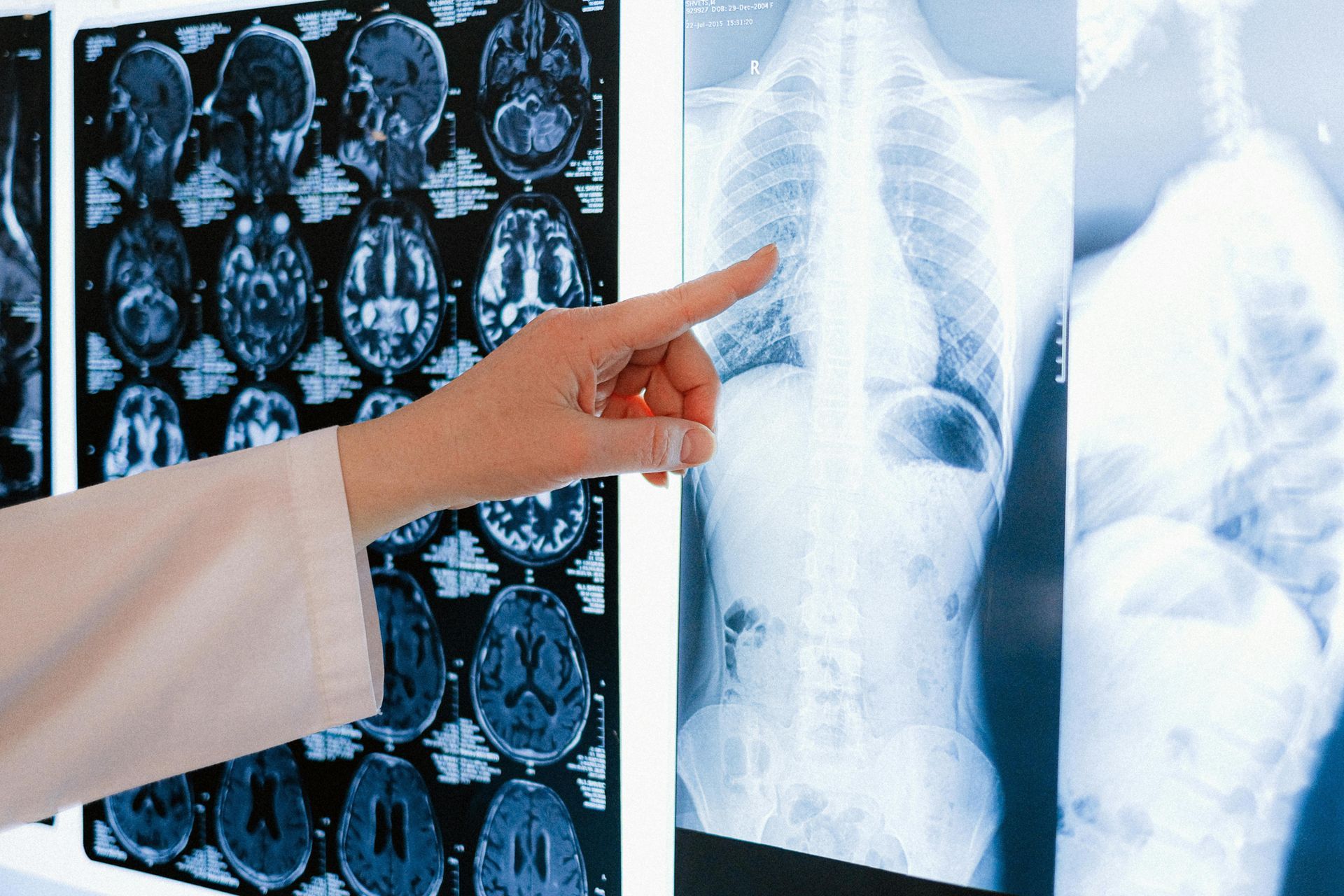
When a doctor hands you a referral form for diagnostic imaging, it is completely normal to wonder exactly what the appointment entails and how it differs from other diagnostic tests. Two of the most common and vital tools used in modern medical imaging are X-rays and Computed Tomography (CT) scans. While they both rely on similar underlying radiation technology to look inside the body, their diagnostic capabilities, applications, and processes are distinctive. Understanding the core differences in the CT scan vs X-ray debate can help lower your pre-appointment anxiety and clarify why your doctor or specialist selected a specific scan for your symptoms. Both options serve as crucial pillars of modern diagnostics, but they are optimised for respective medical scenarios.
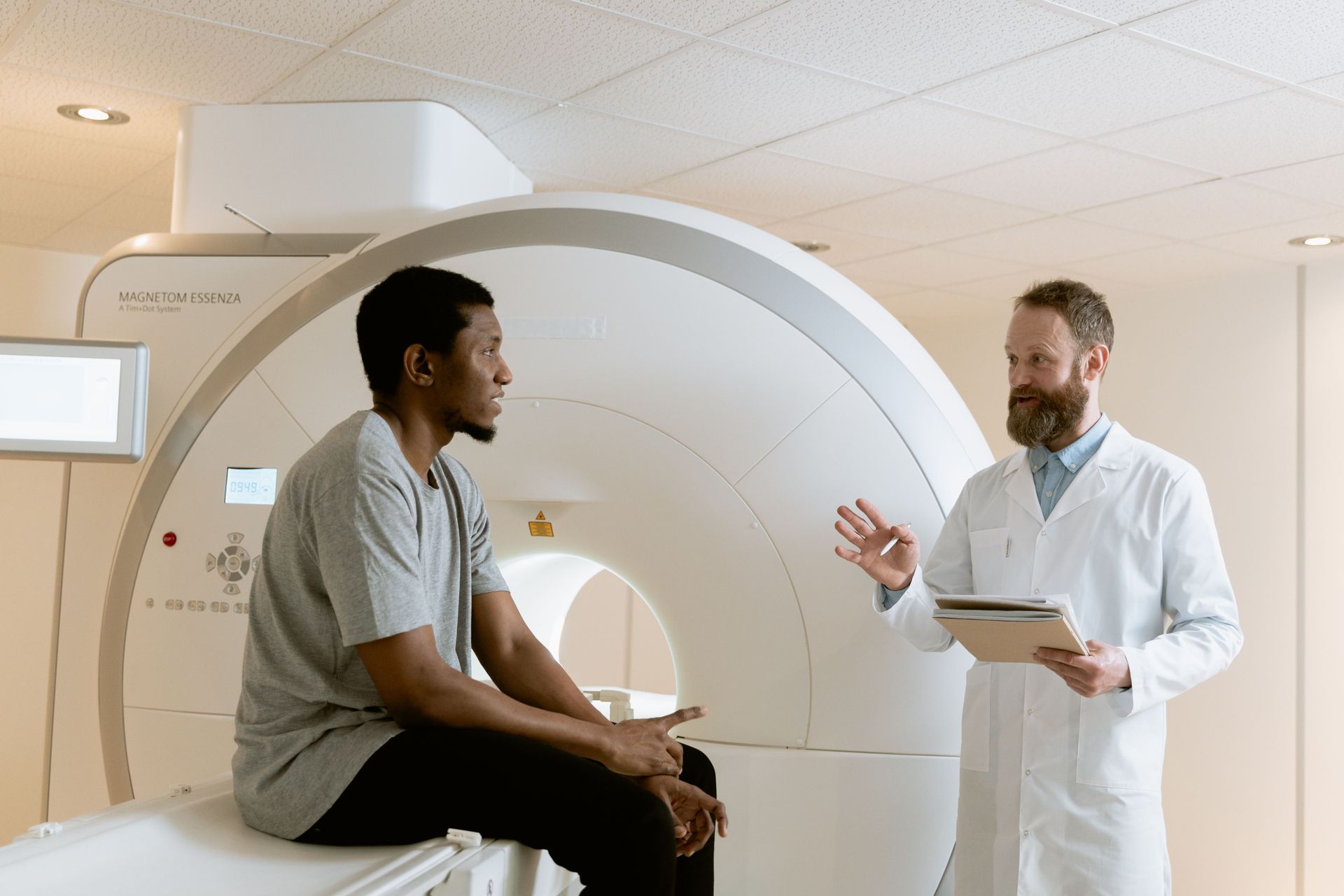
Receiving a medical referral for a Computed Tomography (CT) scan is a very common step in diagnosing or monitoring health conditions. If your doctor has recently recommended this procedure, you might be feeling a bit unsure about what steps you need to take before arriving at the clinic. Knowing exactly how to prepare for a CT scan can alleviate any pre-appointment anxiety and ensure your visit runs smoothly. At Specialist Medical Imaging, we want to reassure you that CT scans are routine, incredibly safe, and exceptionally fast procedures. By taking just a few simple preparation steps, you can help our advanced medical imaging team capture the clearest possible pictures of your internal anatomy.
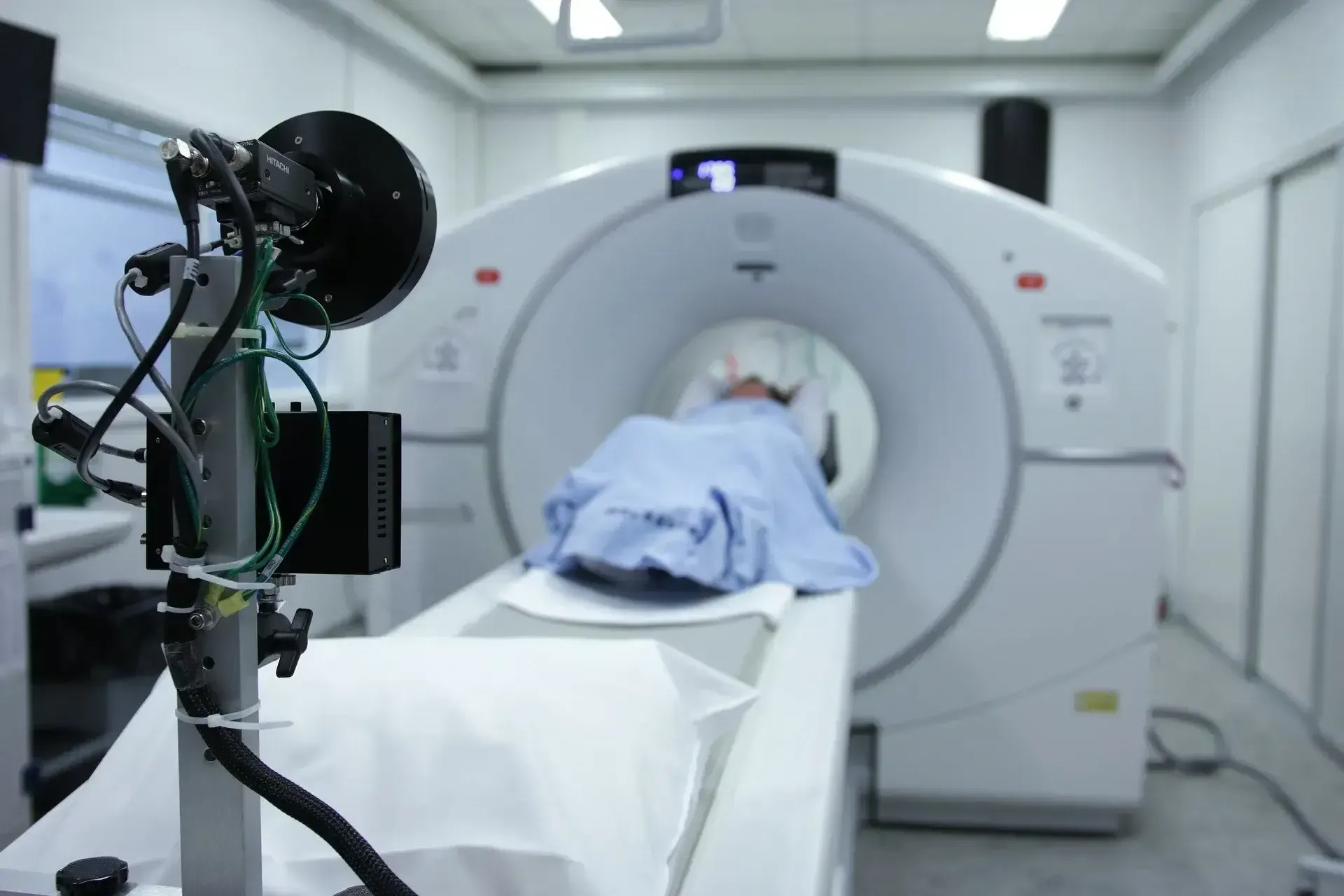
When you're referred or recommended for advanced medical imaging, it is natural to have questions about what the process involves, how to prepare, and what the experience will be like. This comprehensive CT scan guide helps you understand how this technology plays a pivotal role in modern diagnostics. If you have ever wondered what a CT scan is or why your doctor has requested one, you are in the right place. By using state-of-the-art computational imaging, Computed Tomography (CT) scans enable medical teams to look inside the human body with incredible clarity, ensuring accurate, timely diagnoses that pave the way for effective treatment.

Evaluating a patient’s health based solely on total body weight or Body Mass Index (BMI) often falls short of providing a complete metabolic profile. As healthcare providers, you understand that two patients with the same BMI can possess vastly different metabolic risk factors and physical capabilities. Consequently, there is a growing clinical requirement for objective, highly accurate tissue quantification. Used as a clinical gold standard, a DEXA body composition scan provides practitioners with a look into a patient's exact musculoskeletal and adipose tissue distribution. This comprehensive guide outlines the mechanisms behind Dual-Energy X-ray Absorptiometry (DEXA), what patients can expect during the procedure, how to interpret the diagnostic output, and why this data matters for proactive patient care.