A Patient Guide: CT Scans vs X-Rays
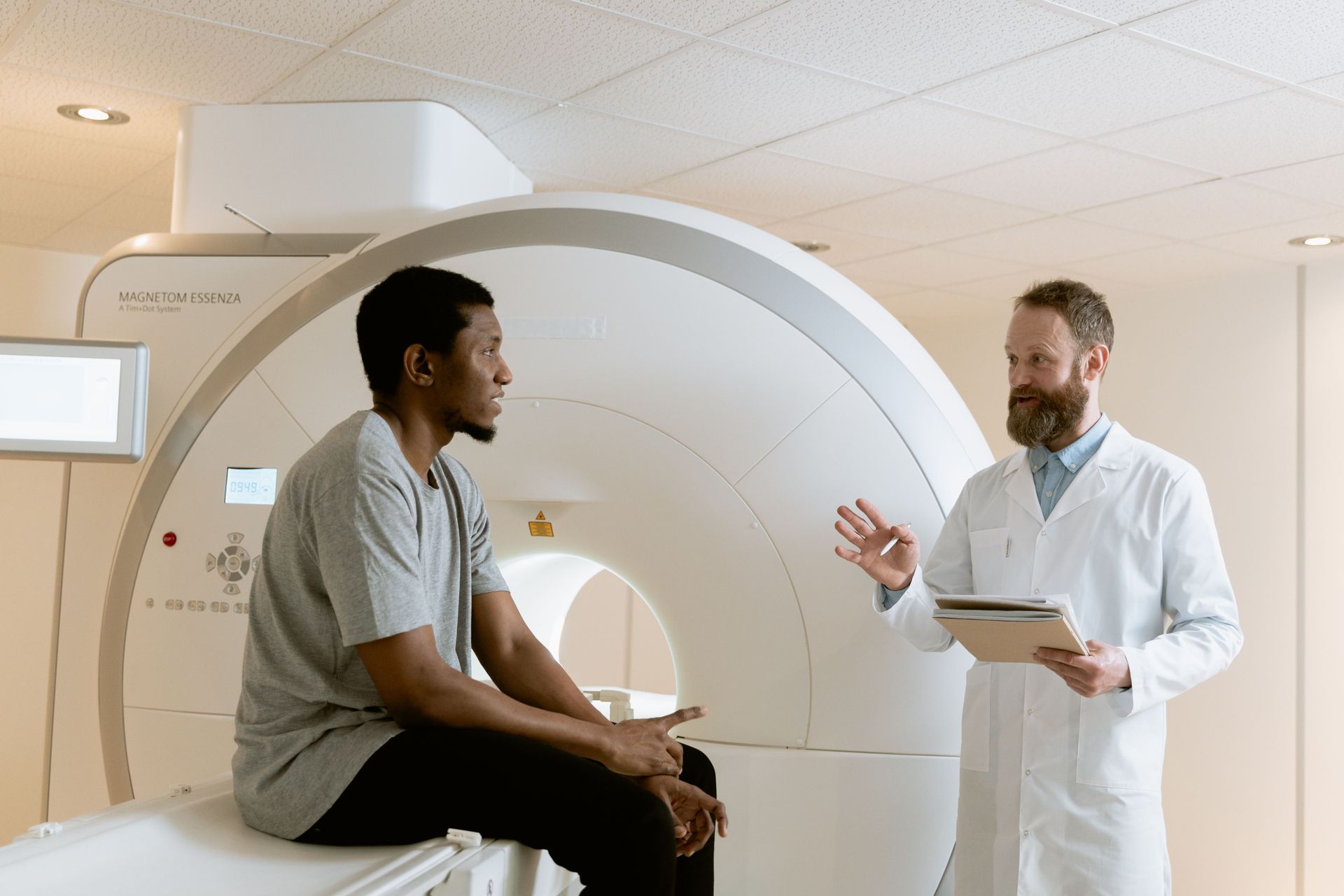
When a doctor hands you a referral form for diagnostic imaging, it is completely normal to wonder exactly what the appointment entails and how it differs from other diagnostic tests. Two of the most common and vital tools used in modern medical imaging are X-rays and Computed Tomography (CT) scans. While they both rely on similar underlying radiation technology to look inside the body, their diagnostic capabilities, applications, and processes are distinctive.
Understanding the core differences in the CT scan vs X-ray debate can help lower your pre-appointment anxiety and clarify why your doctor or specialist selected a specific scan for your symptoms. Both options serve as crucial pillars of modern diagnostics, but they are optimised for respective medical scenarios.
Understanding X-Rays: Quick, Flat, & Functional
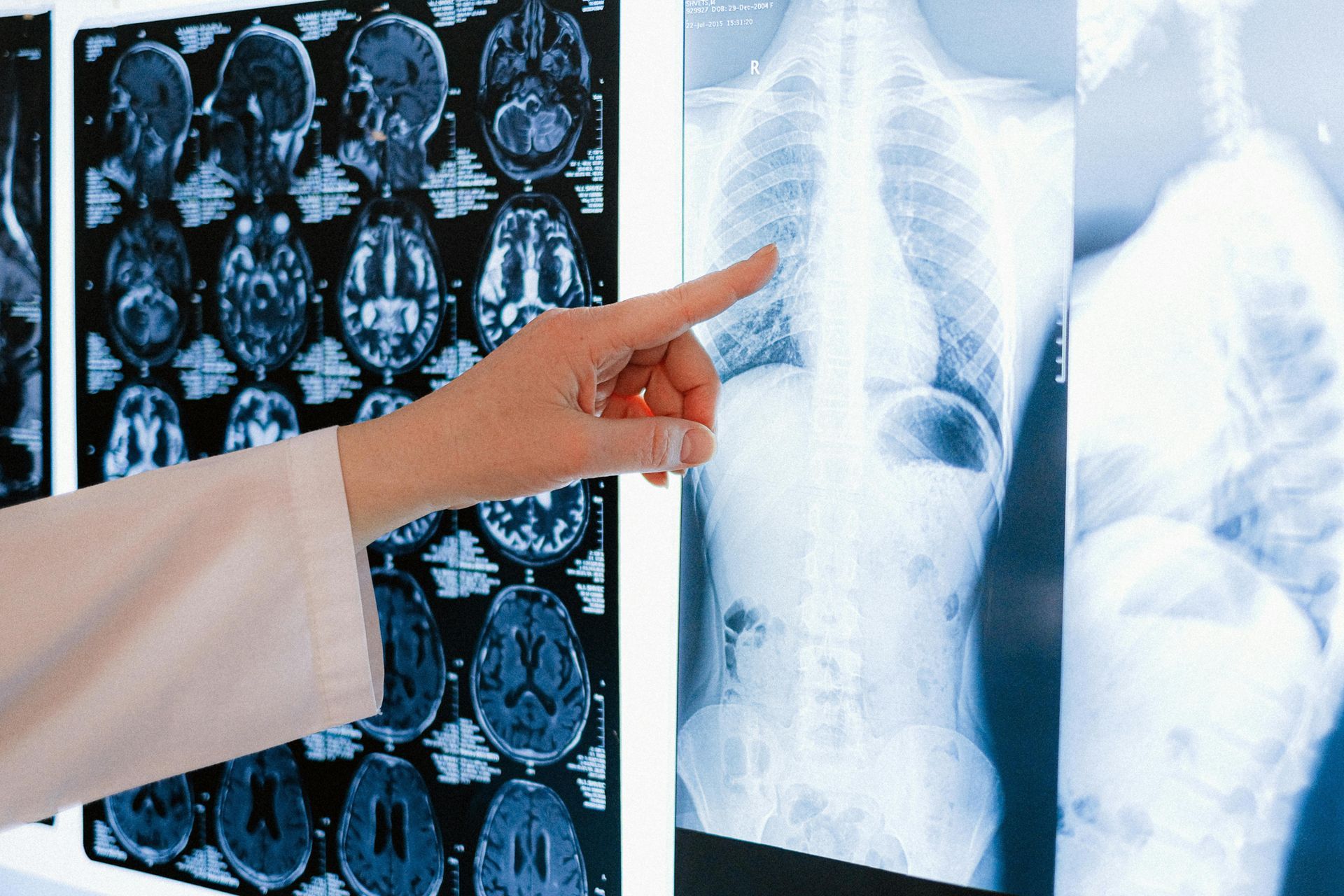
An X-ray is the oldest and most frequently used form of diagnostic imaging. It works by sending a brief, single beam of localised electromagnetic radiation through a targeted area of your body. As the beam passes through you, dense materials like bone absorb the radiation strongly, appearing bright white in the final image. Softer tissues, such as muscle, fat, and organs, allow radiation to pass through more easily, appearing in varying shades of grey and black.
X-rays produce a flat, two-dimensional snapshot of your internal anatomy. They are incredibly efficient, often taking only a few seconds to capture, and require virtually no patient preparation. Doctors primarily use X-rays as a frontline evaluation tool to quickly diagnose:
- Simple bone fractures and joint dislocations.
- Dental cavities and jaw structural alignment.
- Chest infections, such as pneumonia or fluid accumulation in the lungs.
- The presence of foreign objects.
Understanding CT Scans: Detailed & Multi-Dimensional
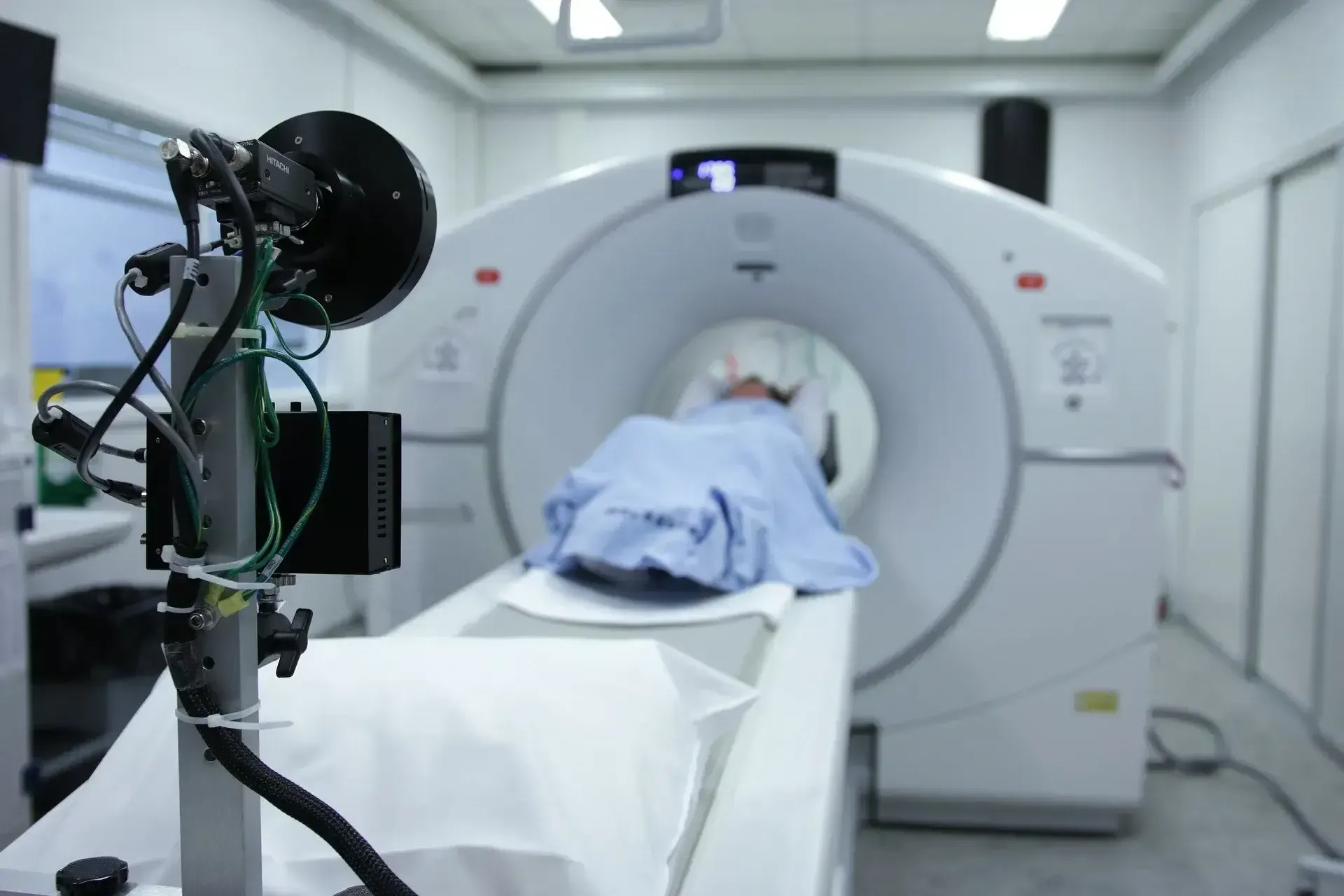
A Computed Tomography (CT) scan builds on the foundational technology of an X-ray and elevates it through computational engineering. Instead of shooting a single flat beam from one direction, a CT scanner features a large, doughnut-shaped ring called a gantry. As you lie flat on a motorised cradle, the cradle slowly glides through the ring while the internal X-ray tube rotates 360 degrees around your body.
This continuous rotation allows the machine to capture hundreds of narrow digital snapshots from every angle. A high-performance computer instantly compiles these multiple views into ultra-thin, cross-sectional "slices." This advanced technique yields highly detailed, three-dimensional digital maps, giving radiologists an unobstructed view of your internal anatomy without overlapping structures obscuring the view.
Is a CT Scan Better Than an X-Ray?
A frequent question patients ask is: is a CT scan better than an X-ray? The short answer is no; one is not necessarily better than the other. Instead, they are tools engineered for different jobs. An X-ray is excellent for a swift, low-dose look at a suspected broken arm, while a CT scan is far superior when a doctor needs to closely evaluate complex internal organ structures or intricate circulatory systems.
Choosing the Right Tool: CT Scan vs X-Ray for Injuries & Illnesses
When evaluating physical trauma, comparing a CT scan vs X-ray for injuries highlights why a doctor might opt for one over the other based on the severity of the accident. For a straightforward trip-and-fall resulting in localised wrist pain, a standard X-ray is the ideal first choice to quickly identify a fracture.
However, a CT scan is needed instead of an X-ray when the clinical picture is more complex or potentially life-threatening:
- Complex Fractures: If a bone is shattered near a delicate joint (such as the knee or shoulder), a CT scan maps the fragments in 3D, allowing surgeons to plan a precise repair.
- Internal Trauma: Following high-impact accidents, emergency teams use CT scans to check for hidden internal bleeding, organ lacerations, or deep tissue trauma.
- Stroke Evaluation: In acute neurology, a rapid head CT scan is essential to rule out a brain hemorrhage before initiating clot-busting therapies.
- Oncology and Deep Assessment: CT imaging provides detailed soft-tissue information needed to detect tumours, stage cancer, and assess inflammation in organs such as the liver, pancreas, and kidneys.
Safety First: CT Scan vs X-Ray Radiation
Patient safety is a foundational priority in medical imaging and diagnostics. When comparing CT scan and X-ray radiation levels, a CT scan delivers a higher radiation dose than a standard X-ray. Because a CT scan compiles hundreds of individual views to build its 3D images, it naturally exposes the body to more radiation than a single 2D X-ray.
- Modern CT equipment uses advanced, low-dose engineering and specialised software to minimise radiation while maintaining pristine image quality.
- The radiation received during a routine diagnostic CT scan is entirely optimised to sit well within safe parameters.
- Medical imaging teams strictly follow the ALARA principle (As Low As Reasonably Achievable), ensuring you only receive the precise exposure required for an accurate diagnosis.
Accessing Care at Specialist Medical Imaging
At Specialist Medical Imaging, we are committed to providing you with an exceptionally accurate, comfortable, and efficient imaging experience. Both diagnostic methods play vital, complementary roles in protecting your long-term health, and our experienced clinical teams are here to guide you through every single step.
Please note that our equipment availability varies by location to best serve our regional communities:
- CT Scans are available at our dedicated Parramatta and Toongabbie clinics.
- X-rays are available at all three of our convenient locations: Parramatta, Westfield Parramatta, and Toongabbie.
Book your appointment today or reach out to our friendly clinic staff to discuss your upcoming appointment instructions.
Frequently Asked Questions
Do I need to fast before these appointments?
Standard X-rays require zero fasting or preparation. For a CT scan, preparation depends on whether a contrast dye is required. If your CT scan uses contrast material to highlight your blood vessels or stomach, you may be instructed to fast for 2 to 4 hours before your appointment.
Is there a cost difference between a CT scan and an X-ray?
Yes. Due to the advanced computational technology and the comprehensive analysis required by the radiologist, a CT scan generally costs more to perform than a standard X-ray. Fortunately, many diagnostic referrals are eligible for Medicare bulk billing.
Which scan is faster?
A standard X-ray is faster, taking only a few seconds per picture. While the actual scanning phase of a CT scan only takes about 30 seconds, the overall setup, positioning, and potential IV contrast preparation mean your total time in the clinic will be around 30 to 40 minutes.