What to Know Before Your Appointment: Your Essential CT Scan Guide
When you're referred or recommended for advanced medical imaging, it is natural to have questions about what the process involves, how to prepare, and what the experience will be like. This comprehensive CT scan guide helps you understand how this technology plays a pivotal role in modern diagnostics. If you have ever wondered what a CT scan is or why your doctor has requested one, you are in the right place.
By using state-of-the-art computational imaging, Computed Tomography (CT) scans enable medical teams to look inside the human body with incredible clarity, ensuring accurate, timely diagnoses that pave the way for effective treatment.
The Technology Behind the Scan: How It Works
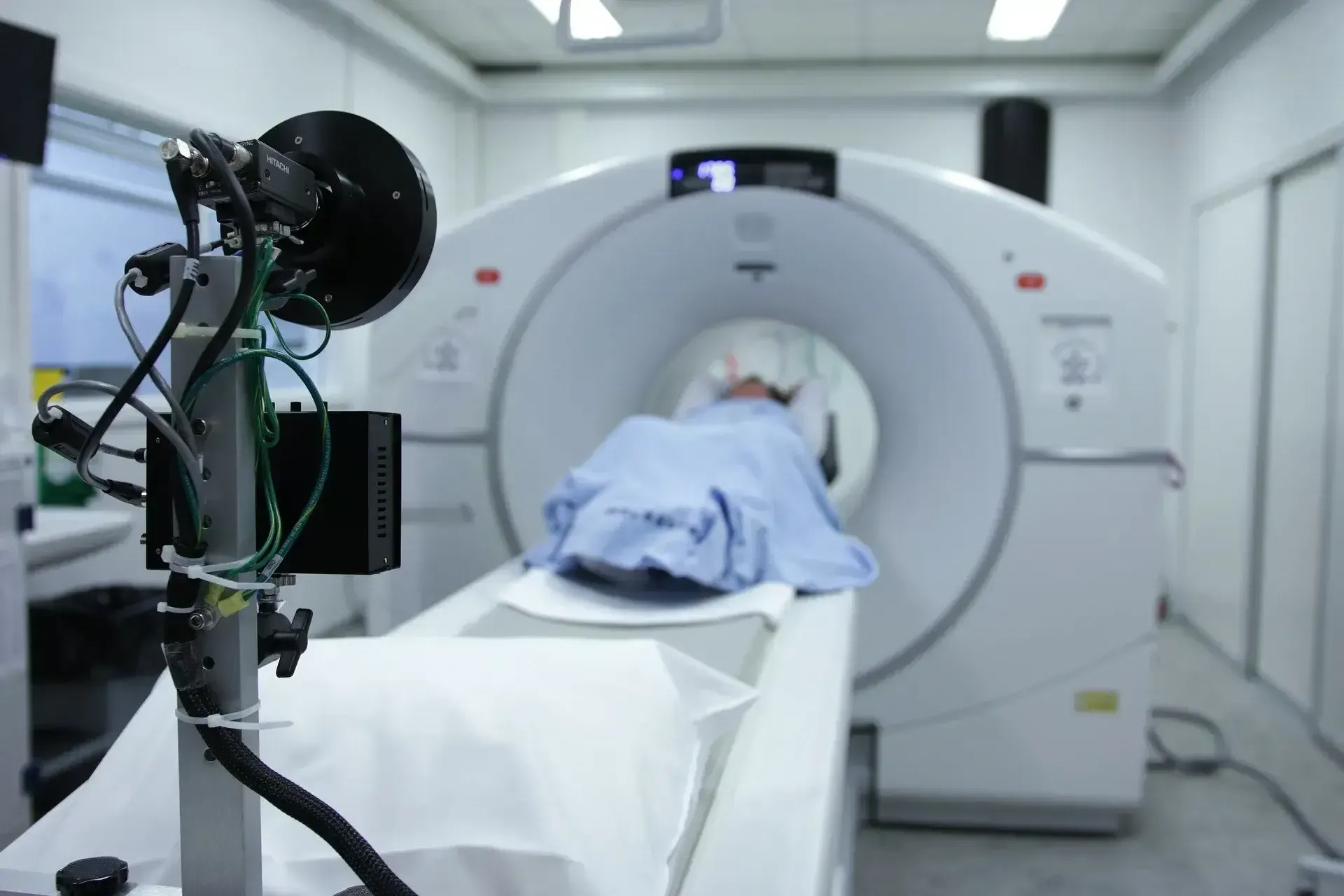
To truly grasp what a CT scan does, it helps to visualise the human body divided into ultra-thin, digital slices. While a traditional X-ray captures a flat, single 2D image from one direction, a CT scanner operates as a large, doughnut-shaped machine (called a gantry) that rotates 360 degrees around your body.
As the scanner rotates, it sends a series of narrow X-ray beams through the target area. Specialised detectors capture hundreds of individual views from multiple angles. A computer then processes these cross-sectional "slices" and stacks them together. The result is a highly detailed 3D digital map of your internal anatomy, allowing experts to inspect your body layer by layer.
Enhanced Detail: What a CT Scan Shows Beyond Standard X-Rays
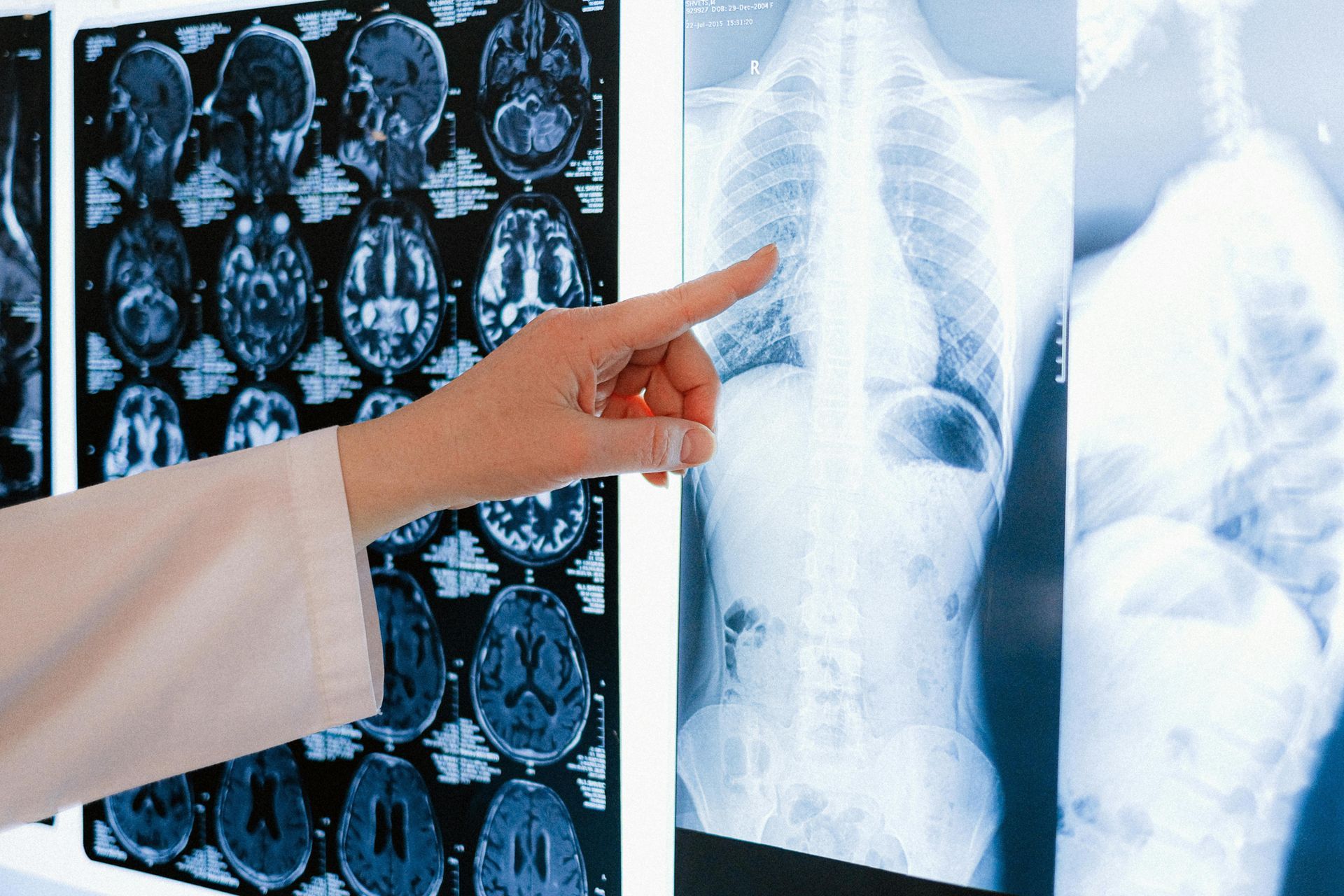
So, what does a CT scan show that an ordinary X-ray might miss? Traditional X-rays are excellent for identifying dense structural anomalies, such as obvious bone fractures or joint dislocations, but they frequently struggle to differentiate between various types of soft tissues. A CT scan, however, provides exceptional contrast resolution. This means it can simultaneously display high-definition images of:
- Bones: Detecting complex or hairline fractures, bone infections, and structural degradation.
- Organs: Evaluating the size, shape, and tissue health of organs like the liver, kidneys, lungs, and brain.
- Blood Vessels: Mapping out the circulatory system to look for blockages, clots, or structural weaknesses.
- Soft Tissues: Inspecting muscles, tendons, and deep-seated fat deposits for abnormalities.
This multi-layered view allows physicians to inspect delicate structures without requiring exploratory surgeries.
Common Medical Uses & Referral Reasons
Understanding what a CT scan is used for highlights its immense versatility. Because it gathers data so rapidly and accurately, it serves as an important tool in emergency settings and elective outpatient diagnostics.
What is the Most Common Reason for a CT Scan?
Typically, the most frequent reason a doctor issues a referral is to investigate acute, unexplained symptoms or to assess trauma after an accident. Common scenarios include:
- Trauma Assessment: Quickly checking for internal injuries or hidden bone fractures after a fall or car accident.
- Internal Bleeding & Stroke Evaluation: In emergency medicine, a rapid head CT scan is the gold standard for determining if a stroke is ischemic or hemorrhagic, which dictates life-saving treatments.
- Investigating Abdominal Pain: Uncovering the root cause of sudden gastrointestinal distress, such as appendicitis, diverticulitis, or kidney stones.
- Lung Conditions: Evaluating chronic breathing issues, suspected blood clots in the
Conditions Identified & the Role of CT in Cancer Detection
Because of its structural precision, the list of conditions a CT scan can identify is vast. It ranges from deep-tissue infections and abscesses to vascular conditions such as aneurysms and complex organ abnormalities.
Can a CT Scan Detect Cancer?
Yes, CT imaging is one of the primary tools used in oncology. The scan is proficient at locating abnormal tissue masses, tumours, and cysts throughout the body. Beyond initial detection, doctors routinely use CT scans to:
- Stage Cancer: Determine the exact size of a tumour and see if it has spread to nearby lymph nodes or distant organs.
- Monitor Treatment: Assess whether a tumour is shrinking in response to chemotherapy, radiation, or immunotherapy.
- Check Recurrence: Scan patients in remission to ensure the cancer has not returned.
While a CT scan can identify a suspicious mass, it shows structural changes rather than cellular types. Therefore, additional imaging (like a PET/MRI) or a physical tissue biopsy is often required to confirm a definitive cancer diagnosis.
How Long Does a CT Scan Take?
The physical scanning portion of the procedure is swift, typically lasting 20 seconds to 5 minutes, depending on the area being scanned. However, you should generally expect to spend 30 to 60 minutes at the imaging centre to account for check-in, paperwork, changing into a clinical gown, and post-scan instructions.
The Patient Journey: Step-by-Step
- Arrival & Preparation: You will check in with our welcoming reception team and complete a brief medical questionnaire. If necessary, you will change into a comfortable medical gown and remove metallic items (jewellery, watches, glasses).
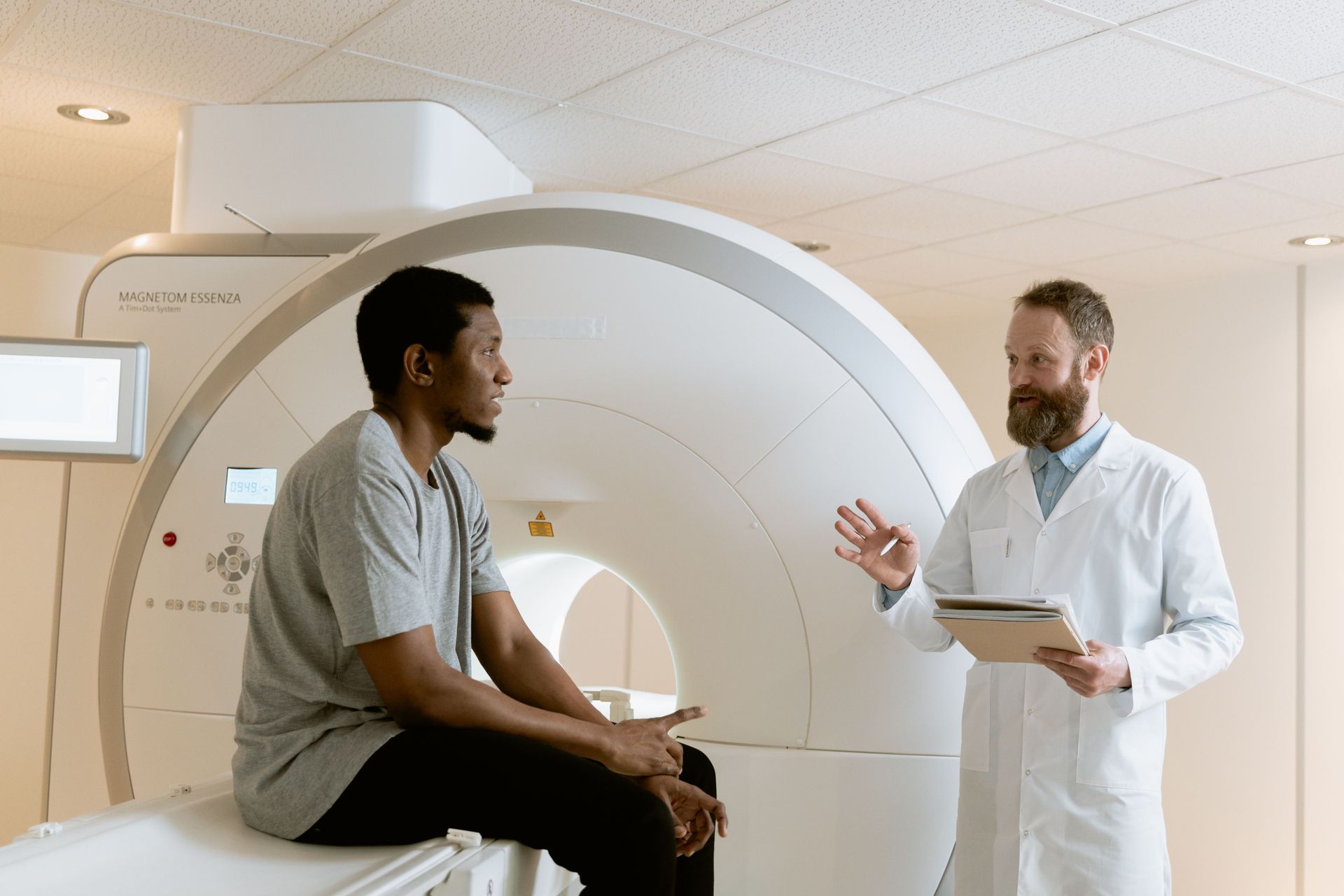
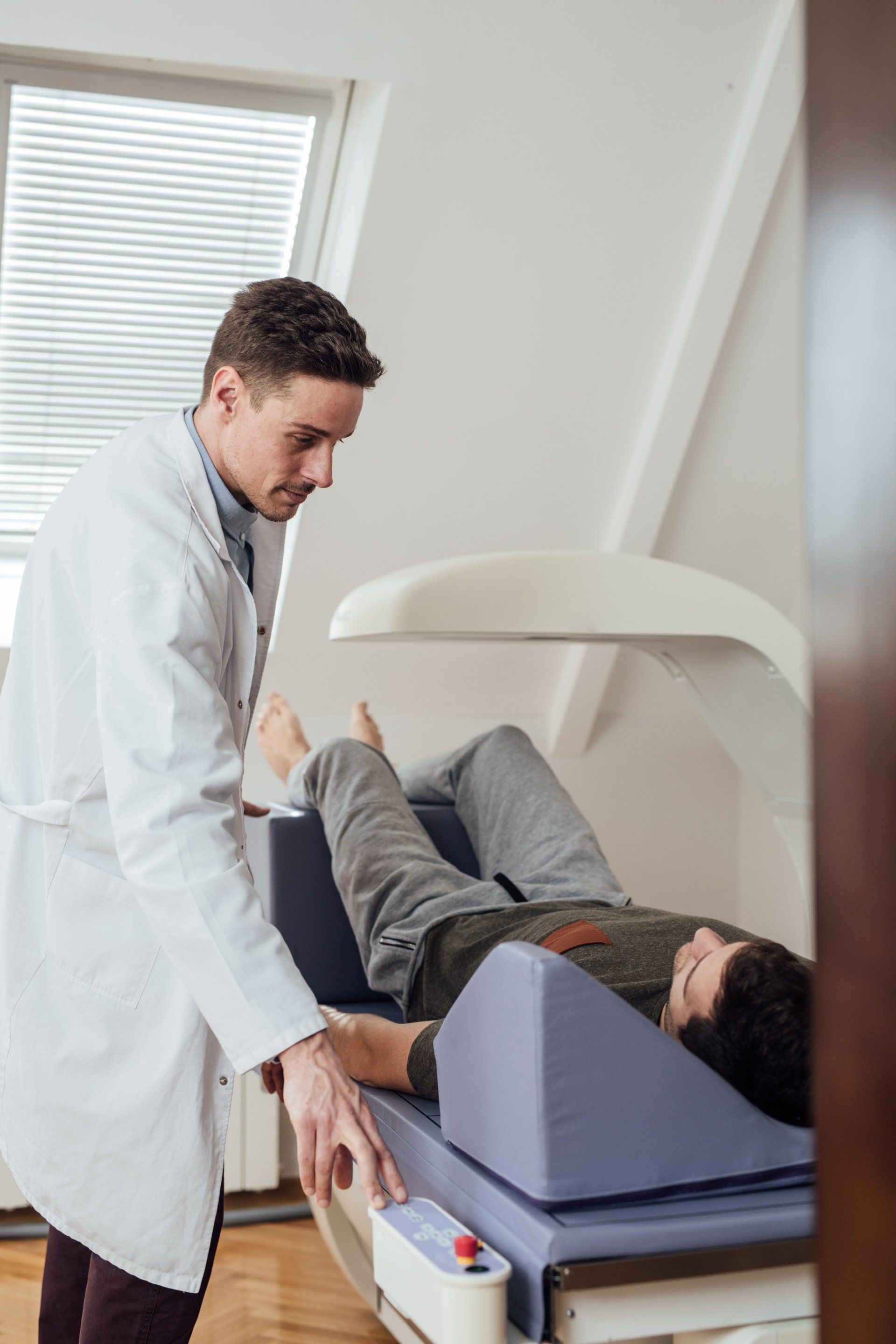
- Positioning: An imaging technologist will guide you into the scan room and help you lie down on a padded, motorised examination cradle. Comfort cushions may be used to help you stay perfectly still.
- The Scan: The cradle will slowly glide into the centre of the scanner. The technologist will move to an adjacent control room where they can see and hear you at all times through a window and intercom system. You may hear soft whirring or clicking noises as the scanner rotates.
- Breathing Instructions: For chest or abdominal scans, you may be asked via the intercom to hold your breath for a few seconds to prevent motion blur on the images.
- Post-Scan: Once completed, the cradle glides back out, you can get changed, and you are free to go about your day.
Understanding the Role of Contrast Material
To maximise what a CT scan shows, some examinations require a contrast medium (often an iodine-based liquid). Contrast material acts like a temporary highlighter, changing how X-rays interact with your tissues so that specific blood vessels, organs, or potential abnormalities stand out clearly from surrounding structures. Depending on the area your doctor needs to evaluate, contrast may be administered in three ways:
- Orally (Swallowed): To clearly outline your stomach and gastrointestinal tract.
- Intravenously (IV Injection): Injected into a vein to highlight your circulatory system, liver, kidneys, and soft tissues.
- Rectally (Enema): To give clear definition to your lower bowel.
It is vital to notify staff if you have a history of iodine or contrast allergies, compromised kidney function, or take specific diabetes medications (such as metformin), as our medical team will implement tailored safety protocols for you.
Practical Preparation Advice for Patients
To ensure your appointment proceeds smoothly, keep these helpful tips in mind:
- Fasting: If your scan involves contrast dye, you may be asked to fast (no food or liquids, except water) for 2 to 4 hours before your scheduled time.
- Clothing: Wear loose, comfortable clothing. Avoid outfits with metal buttons, zippers, snaps, or underwire bras, as metal can cause digital distortions on the scan.
- Medications: Continue taking your routine prescription medications with a sip of water unless your doctor specifically instructs otherwise.
- Hydration: If you are getting a contrast scan, drinking plenty of water before and after your appointment helps your kidneys naturally flush the contrast material from your system.
Receiving & Interpreting Your Results
Once your scan is finished, your job is complete! The hundreds of digital images are handed over to our on-site radiologist, a doctor who specialises exclusively in interpreting diagnostic imaging.
The radiologist will analyse the images, compile a formal, comprehensive medical report, and send it to your referring general practitioner or specialist. Your doctor will then schedule a follow-up appointment to discuss the findings and talk through the next steps in your care plan.
Partner with Specialist Medical Imaging
A CT scan is one of the safest, fastest, and most reliable diagnostic tools available in modern medicine. By removing the guesswork from internal medical concerns, it empowers you and your healthcare provider to make informed decisions for your health. If you have been handed an imaging referral, remember that the experienced, compassionate team at Specialist Medical Imaging is here to support you at every turn.
Book Your CT Scan Today
Have an imaging referral or further questions about your upcoming procedure? Contact our friendly team or visit our online portal to schedule your appointment with confidence today. Our CT Scans are only available at our Parramatta and Toongabbie clinics.