How to Prepare for a CT Scan with Confidence
Receiving a medical referral for a Computed Tomography (CT) scan is a very common step in diagnosing or monitoring health conditions. If your doctor has recently recommended this procedure, you might be feeling a bit unsure about what steps you need to take before arriving at the clinic. Knowing exactly how to prepare for a CT scan can alleviate any pre-appointment anxiety and ensure your visit runs smoothly.
At Specialist Medical Imaging, we want to reassure you that CT scans are routine, incredibly safe, and exceptionally fast procedures. By taking just a few simple preparation steps, you can help our advanced medical imaging team capture the clearest possible pictures of your internal anatomy.
Understanding the CT Scan: Why It Matters
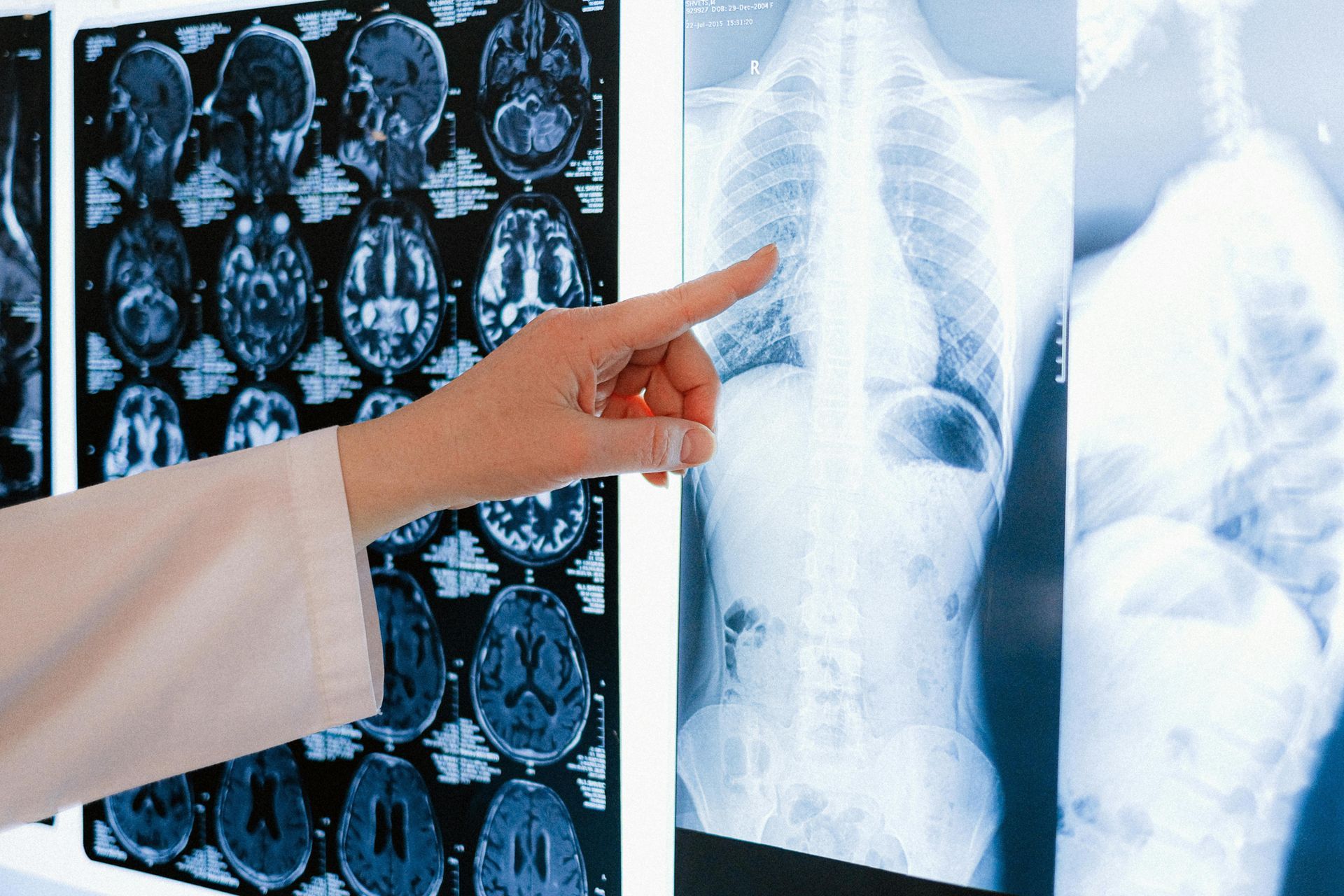
A CT scan works by combining a series of X-ray images taken from different angles around your body. A high-powered computer processes these images to create detailed, cross-sectional "slices" of your bones, blood vessels, organs, and soft tissues. Doctors recommend CT imaging because it provides far more clarity than a standard flat X-ray, allowing them to pinpoint the exact root cause of symptoms like unexplained pain, inflammation, or trauma.
The Role of Preparation in Image Quality
Proper CT scan preparation is vital because your internal organs and digestive system are constantly in motion. Following your specific preparation guidelines directly affects the quality of the diagnostic images. Clearer images mean our radiologists can provide your doctor with a highly accurate, definitive report, ensuring you receive the correct care plan without the need for a repeat scan.
Core Preparation Instructions: Fasting, Hydration, & Medications
When planning what to do before a CT scan, the general instructions you receive will depend heavily on the specific part of your body being imaged.
Can You Eat Before a CT Scan?
One of the most frequent questions patients ask is: "Can you eat before a CT scan?"
- For non-contrast scans: If your scan does not require a contrast dye (such as a standard scan of your bones or joints), you can typically eat, drink, and take your daily medications exactly as normal.
- For contrast scans: If your scan requires a contrast agent to highlight your blood vessels or internal organs, you will usually be asked to fast (avoid food and liquids other than water) for 2 to 4 hours before your appointment time.
Staying Hydrated
Unless you have been given specific medical restrictions, drinking plenty of plain water leading up to your scan is highly recommended. Good hydration helps your body process the imaging materials easily.
Managing Medications and Referrals
You should continue to take your regular prescription medications with a small sip of water unless our clinic staff specifically advises you otherwise. Always remember to bring your physical or digital doctor’s referral form with you on the day of your appointment, as our technologists use this to configure the scanner precisely to your doctor's requests.
Navigating a Scan with Contrast Fluid
For certain examinations, such as detailed scans of your abdomen, pelvis, or blood vessels, your doctor may request a contrast medium. This is a specialised, safe fluid (often iodine-based) that acts as a temporary visual highlighter, making specific structures stand out brightly against surrounding tissues. If you are learning how to prepare for a CT scan with contrast, keep these important points in mind:
- Medical History: You must inform our staff if you have a history of kidney disease, diabetes, or if you take metformin, as your kidneys are responsible for clearing the contrast from your system.
- Allergy Alerts: Let our team know if you have ever had an allergic reaction to iodine, contrast media, or seafood.
- Administration: Depending on your scan, you may drink the contrast material mixed with water before the scan, or it may be administered via a small, temporary intravenous (IV) line in your arm right before the scanning begins.
What to Wear and Bring to Your Appointment
Deciding what to wear to a CT scan comes down to comfort and minimising metal artifacts. The CT scanner uses highly sensitive digital sensors, and metallic objects can cause bright streaks across the images, potentially blocking important details.
- Choose loose, comfortable clothing: Tracksuits, t-shirts, and elastic-waist pants are ideal.
- Avoid metal fixtures: Try to wear clothing free from metal zippers, underwires, snaps, heavy buttons, or metallic foil prints.
- Leave jewellery at home: You will be asked to remove necklaces, earrings, watches, body piercings, hairpins, and sometimes removable dental work before entering the scan room.
If your clothing contains metal, don't worry; our welcoming staff will provide you with a private changing space and a clean, comfortable clinical gown to wear during the scan.
Step-by-Step: What Happens During a CT Scan?
Demystifying what happens during a CT scan is one of the best ways to reduce pre-scan nervousness if you’re experiencing anxiety for an upcoming appointment. The entire experience is completely painless and structured for your comfort.
- Check-In: Upon arrival at our clinic, our reception team will greet you and review your referral details.
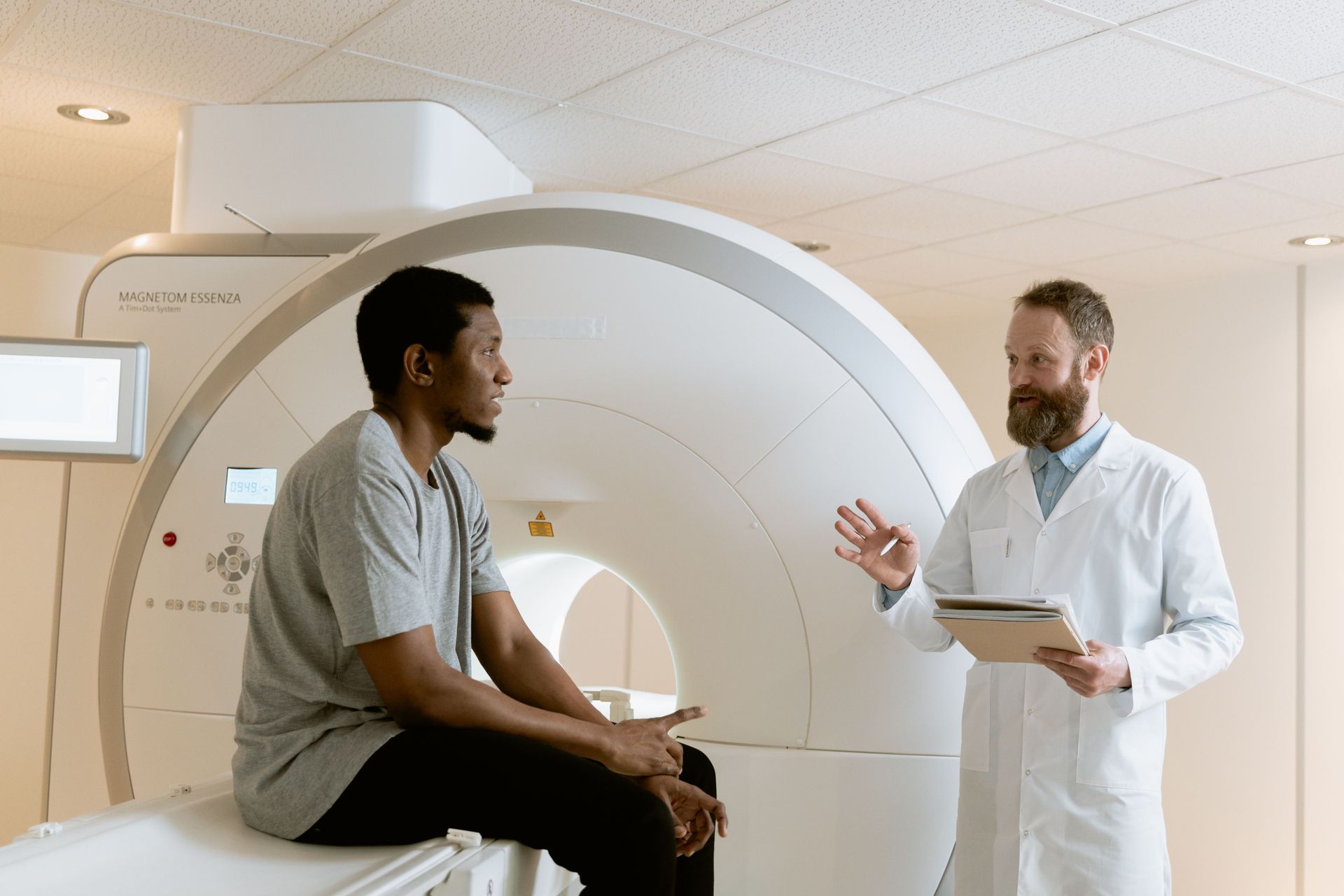
- Setup: A clinical technologist will explain the procedure, answer your questions, and set up your IV line if contrast is required.
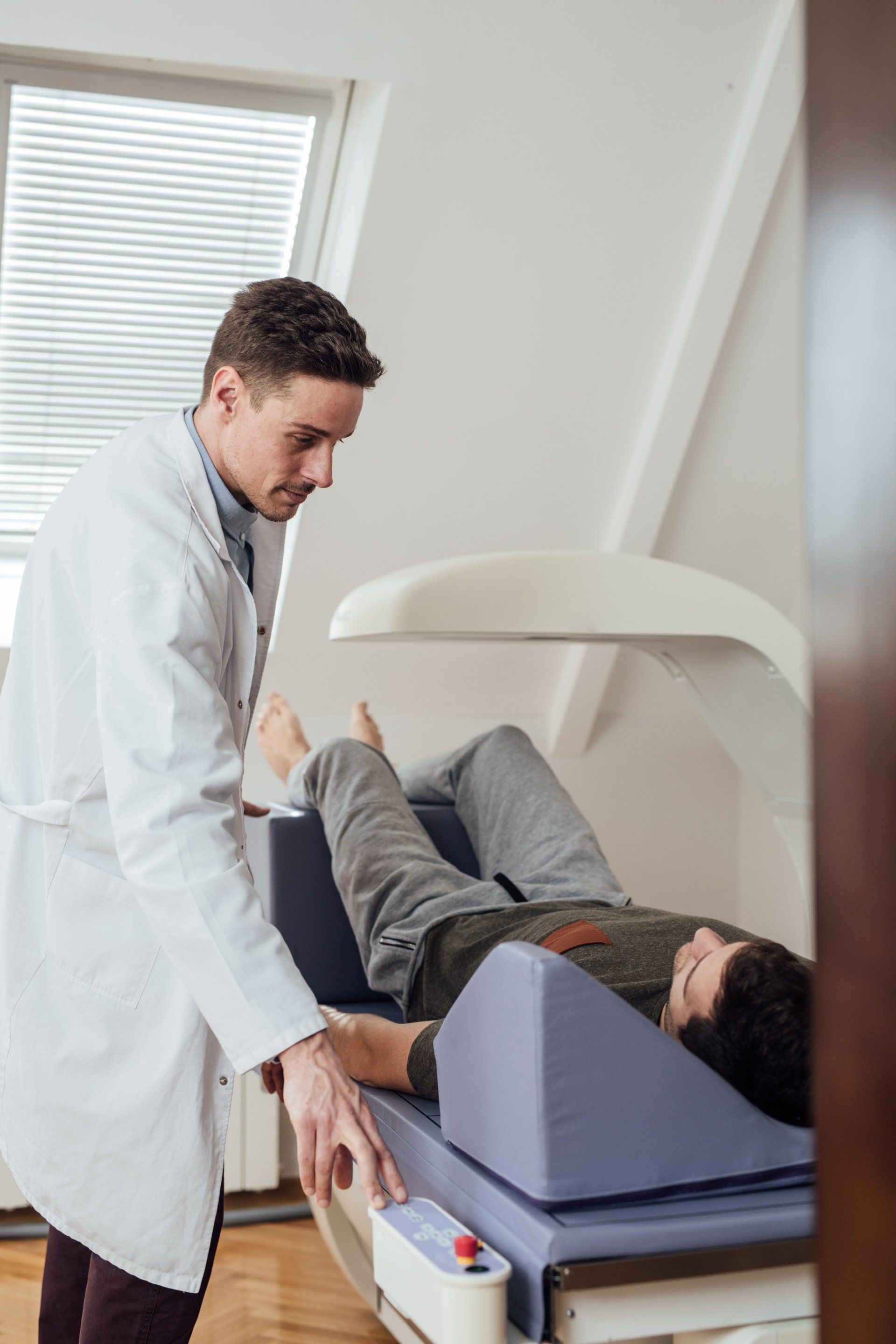
- Positioning: You will lie down on a padded, motorised scanning bed. The technologist will position you carefully and may use soft straps to help you remain perfectly still.
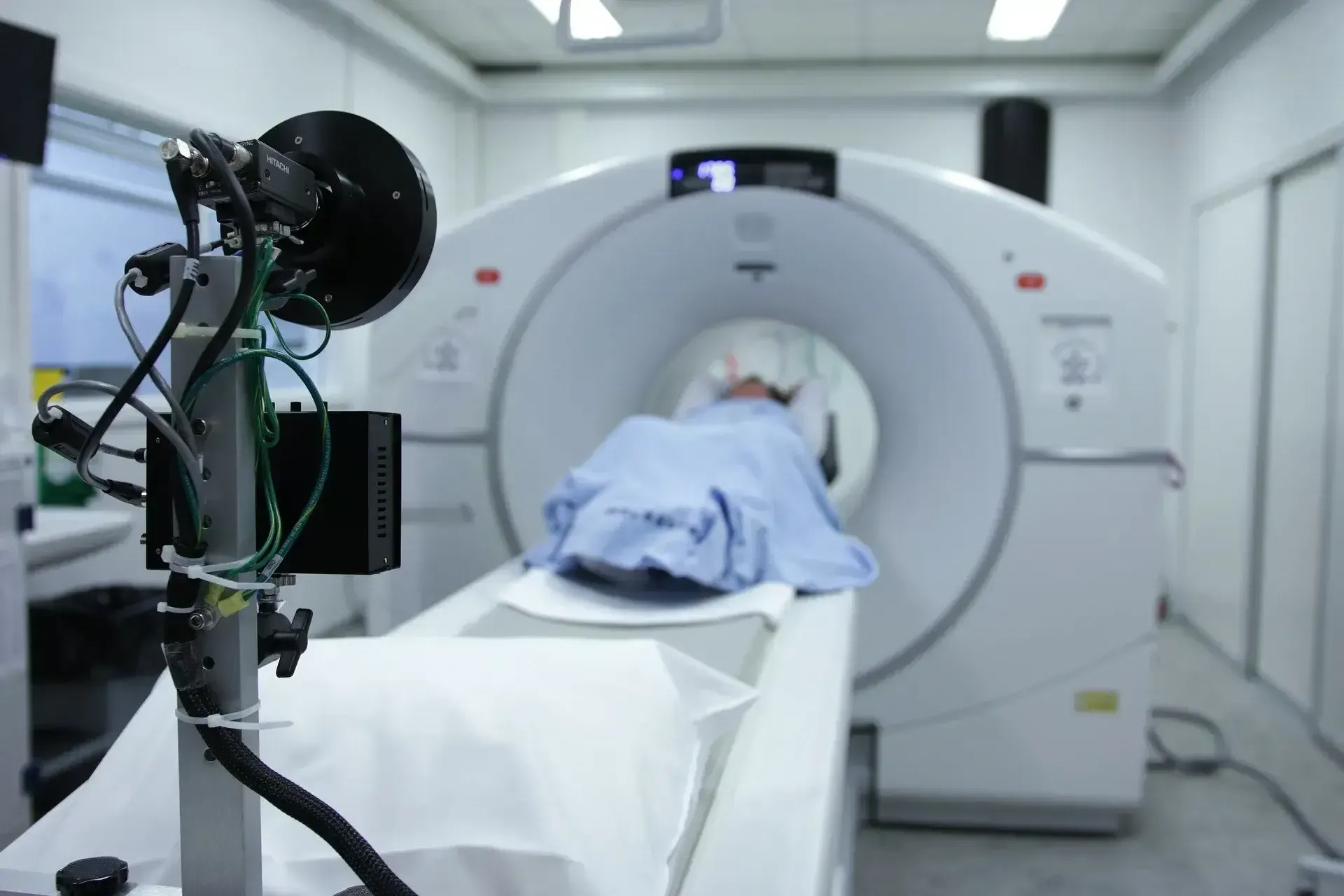
- The Scanning Process: The bed will glide slowly into the wide, open centre of the doughnut-shaped CT scanner. The technologist will walk into the adjoining control room, where they can see, hear, and talk to you through a large window and a two-way intercom at all times.
- Breathing Prompts: You will hear the quiet, smooth whirring of the scanner spinning around you. The intercom may guide you to hold your breath for a few seconds at a time to keep your chest perfectly still.
Post-Scan Expectations & Results
Once the scan is complete, you can immediately return to your normal daily routine, including driving and eating. If you received an intravenous contrast injection, it is highly recommended that you drink several extra glasses of water for the remainder of the day. This keeps your kidneys well hydrated and helps naturally flush the contrast material from your body through your urine.
Receiving Your Results
Our onsite radiologist will carefully evaluate the hundreds of high-resolution digital cross-sections captured during your scan. They will compile a formal diagnostic report and share it directly with your referring doctor. Your doctor will then contact you to discuss the findings and outline any necessary next steps.
Schedule Your CT Scan with Specialist Medical Imaging
Preparing for a CT scan doesn't have to be overwhelming. By wearing comfortable clothes, arriving hydrated, and following your fasting instructions, you ensure a fast, accurate, and comfortable diagnostic experience.
At Specialist Medical Imaging, our team combines 50 years of trusted clinical experience with advanced low-dose technology to keep you safe and comfortable.
Have a referral or further questions about imaging? Contact our friendly team or visit our online portal to schedule your appointment with confidence today. Our CT Scans are only available at our
Parramatta and
Toongabbie clinics.
Frequently Asked Questions
Can I get a CT scan if I am pregnant?
If you are pregnant or suspect you might be, please inform your doctor and our staff before your appointment. While the risks are small, alternative imaging methods like an ultrasound or MRI are generally preferred for expectant mothers.
How long does a CT scan take?
The actual scanning portion of the appointment is incredibly fast, often lasting only 10 to 30 seconds per scan phase. However, to account for check-in, reviewing your medical questionnaire, changing your clothes, and setting up an IV line, you should plan to spend 30 to 40 minutes at our medical imaging centre.
Will the contrast injection hurt?
The initial IV needle pinch is identical to a standard blood test. When the contrast fluid enters your bloodstream, it is normal to experience a sudden, warm flushing sensation or a brief metallic taste in your mouth, which disappears within a minute.